How the Rolex Submariner Became an Icon
Introduced in 1953 as a serious diving watch, the Submariner went on to shape how generations of dive watches would look.
Long before the Submariner became a luxury watch, it was built around a straightforward problem: making a wristwatch that could be relied upon underwater.
Rolex already had considerable experience with water-resistant watches by the time the Submariner appeared. The Oyster case, introduced in the 1920s, had established the idea of a tightly sealed wristwatch case at a time when protecting a mechanical movement from water and dust remained a serious challenge.
By the early 1950s, diving was developing rapidly. Better underwater equipment was allowing both professional and recreational divers to spend more time beneath the surface, creating a need for instruments that could accompany them.
The Submariner arrived in 1953. Its purpose was clear from the beginning. Rolex guaranteed the watch waterproof to a depth of 100 metres, while its rotating bezel allowed a diver to keep track of elapsed time underwater.
The design followed the job
Many of the details now associated with a classic dive watch existed for practical reasons. Underwater, information needs to be read quickly and with as little ambiguity as possible.
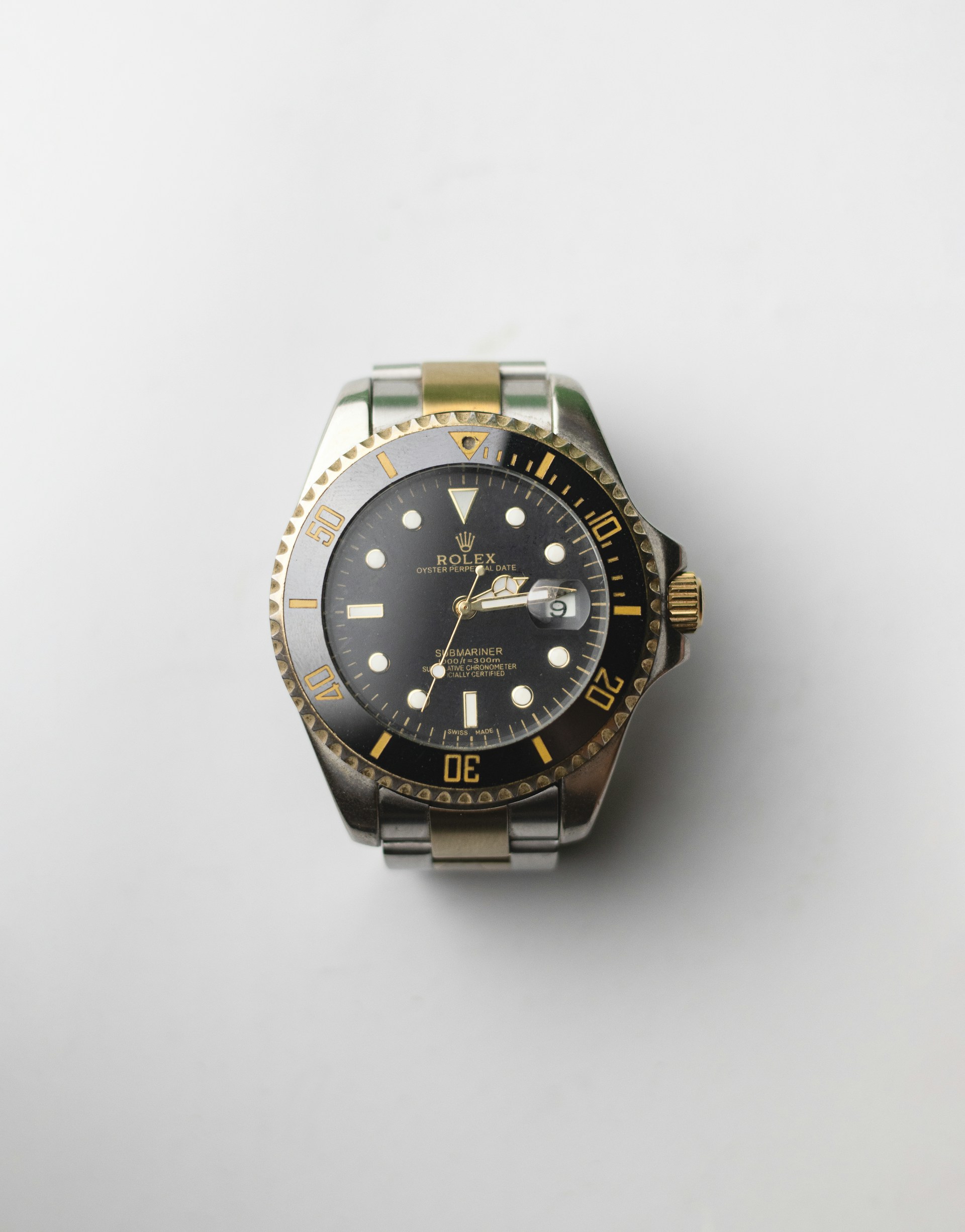
The Submariner therefore combined a dark dial with strongly contrasting hour markers and hands. Around the dial sat a rotating timing bezel, giving the wearer a simple way to measure elapsed time during a dive.
The formula was functional rather than decorative. Yet the combination proved remarkably durable. A clear dial, strong hour markers and a prominent rotating bezel would eventually become familiar features across the entire dive-watch category.

From equipment to something much bigger
The Submariner did not remain confined to the world for which it had been designed. Over time, it became just as familiar away from the water.
Its appearances on screen helped broaden that audience. Early James Bond films placed Submariners on the wrist of Sean Connery, connecting the watch with a character who would become one of cinema's most enduring style references.
But popular culture alone does not explain the watch's longevity. The Submariner also proved unusually adaptable. A design created as functional equipment happened to work equally well as an everyday watch.
The details changed. The idea did not.
The Submariner has never been a single fixed design. References changed, crown guards appeared, movements developed and the construction of the case and bracelet continued to improve.
In 1969, Rolex introduced the Submariner Date, adding a calendar display to the collection. The date model would become one of the most familiar versions of the watch, while the no-date Submariner continued alongside it.
Water resistance also increased as the collection developed. From the 100-metre rating of the original watch, the modern Submariner family eventually reached the 300-metre depth rating associated with the model today.
What is more striking is how little the basic visual formula needed to change. Put an early Submariner beside a modern one and the differences are obvious, but so is the relationship between them.
A watch that helped define an entire category
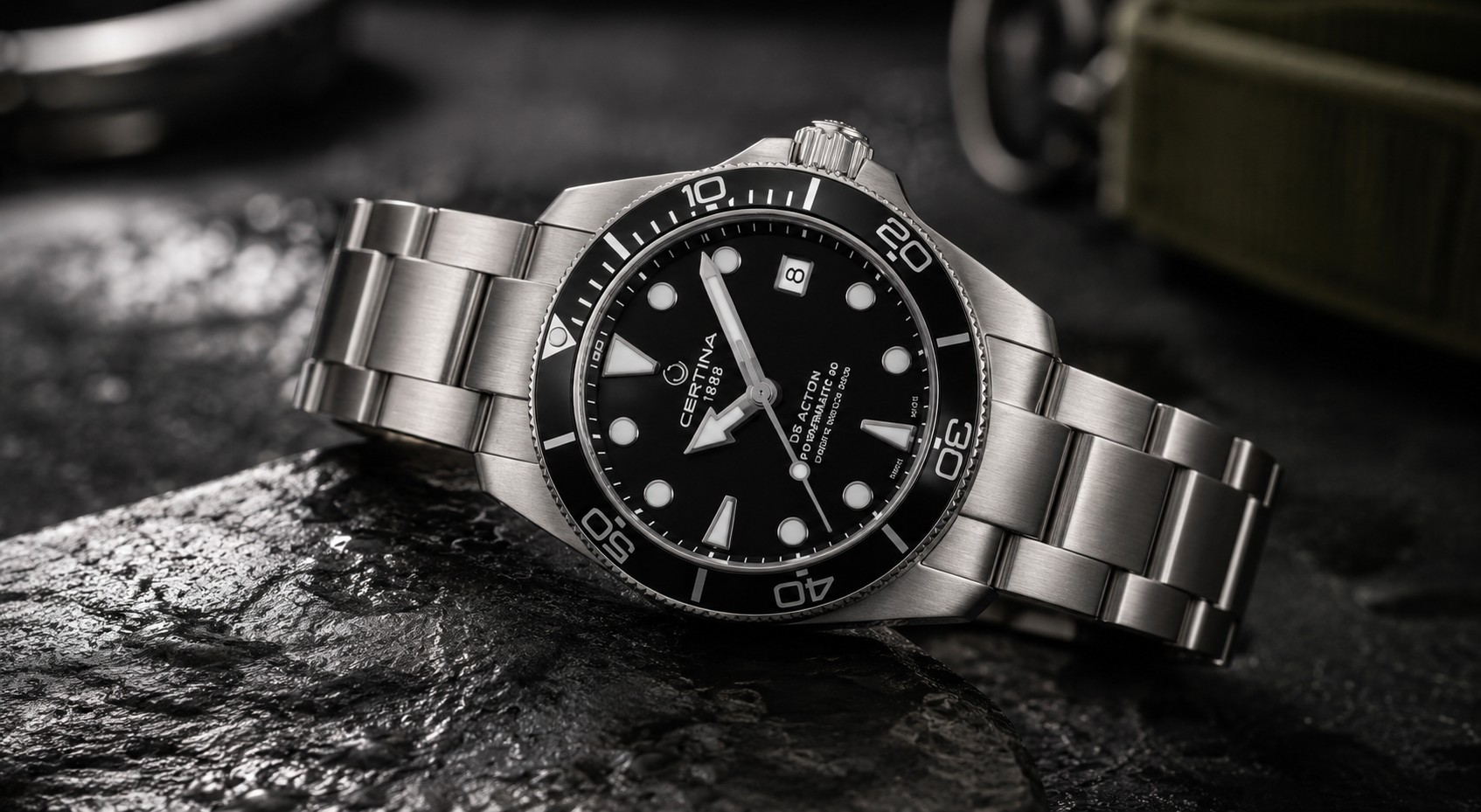
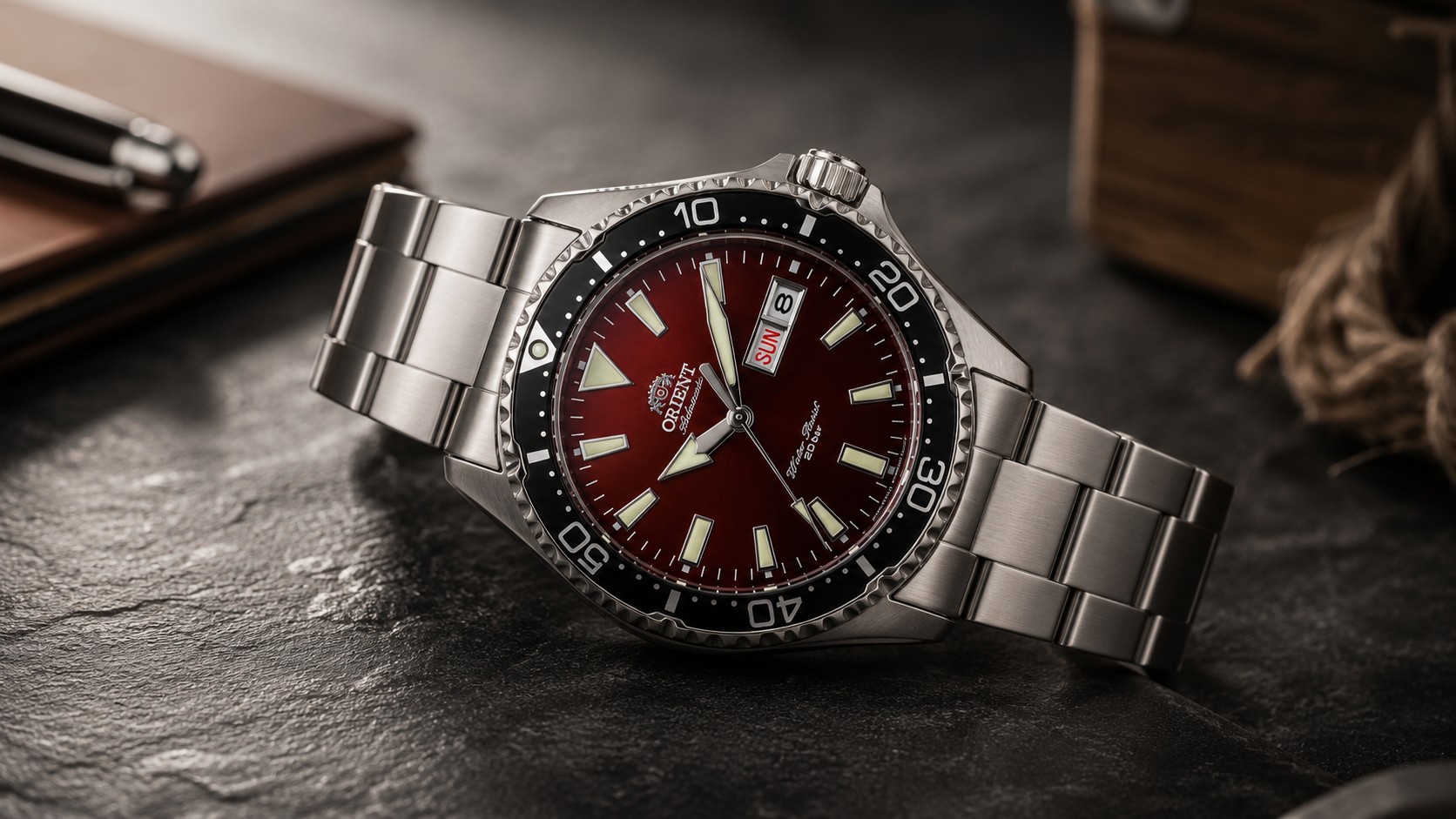
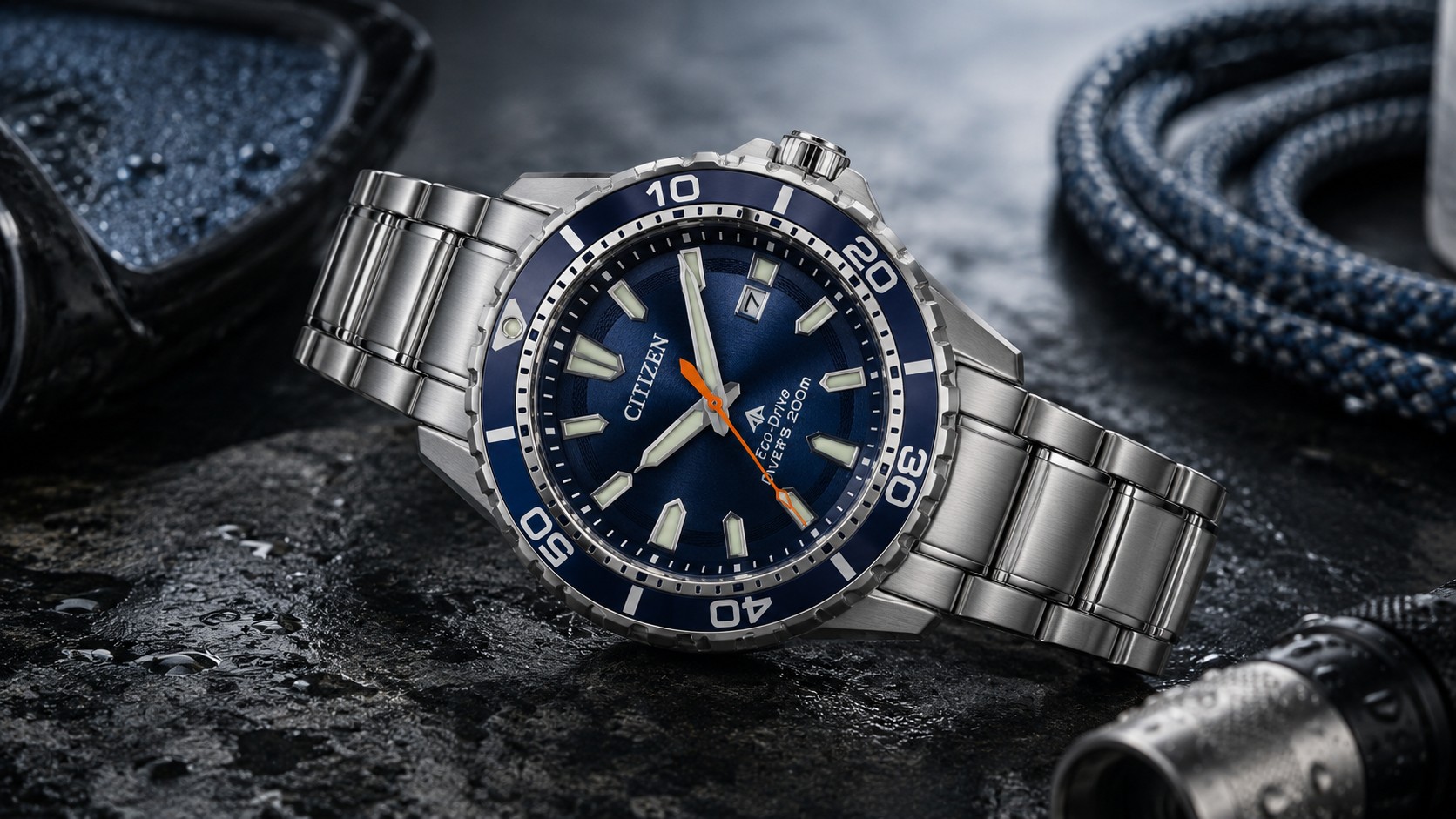
Look across the modern dive-watch market and the influence of the Submariner is difficult to miss. The combination of a dark rotating bezel, highly legible dial, luminous markers and a steel sports-watch case has become almost universal.
Rolex did not invent every element found on a diving watch, nor was the Submariner the only important underwater watch of its era. Blancpain's Fifty Fathoms, also introduced in 1953, belongs in any serious discussion of the origins of the modern dive watch.
What the Submariner achieved was something different. Its particular combination of function, longevity and visibility became one of the most widely recognised templates in watchmaking.
Seventy years later, you still know exactly what it is
A modern Submariner is a very different object from the watch Rolex introduced in 1953. The materials are more advanced, the construction is more substantial and the standards of modern mechanical watchmaking have moved far beyond those of the early post-war period.
Yet its identity has survived those changes. The rotating bezel, the simple dial layout and the emphasis on legibility still connect the current watch directly to its original purpose.
That continuity is a large part of the Submariner's appeal. Rolex has updated the watch repeatedly without feeling the need to redesign it around every passing trend.
The result is a rare kind of familiarity. Even people with little interest in watches often recognise the shape. For enthusiasts, its history stretches from the early development of modern diving equipment to the luxury-watch market of today.
The Submariner began as a tool for a new generation of divers. Somewhere along the way, the tool became the reference point against which countless other dive watches would be judged.