The Jaeger-LeCoultre Reverso: A Design Icon
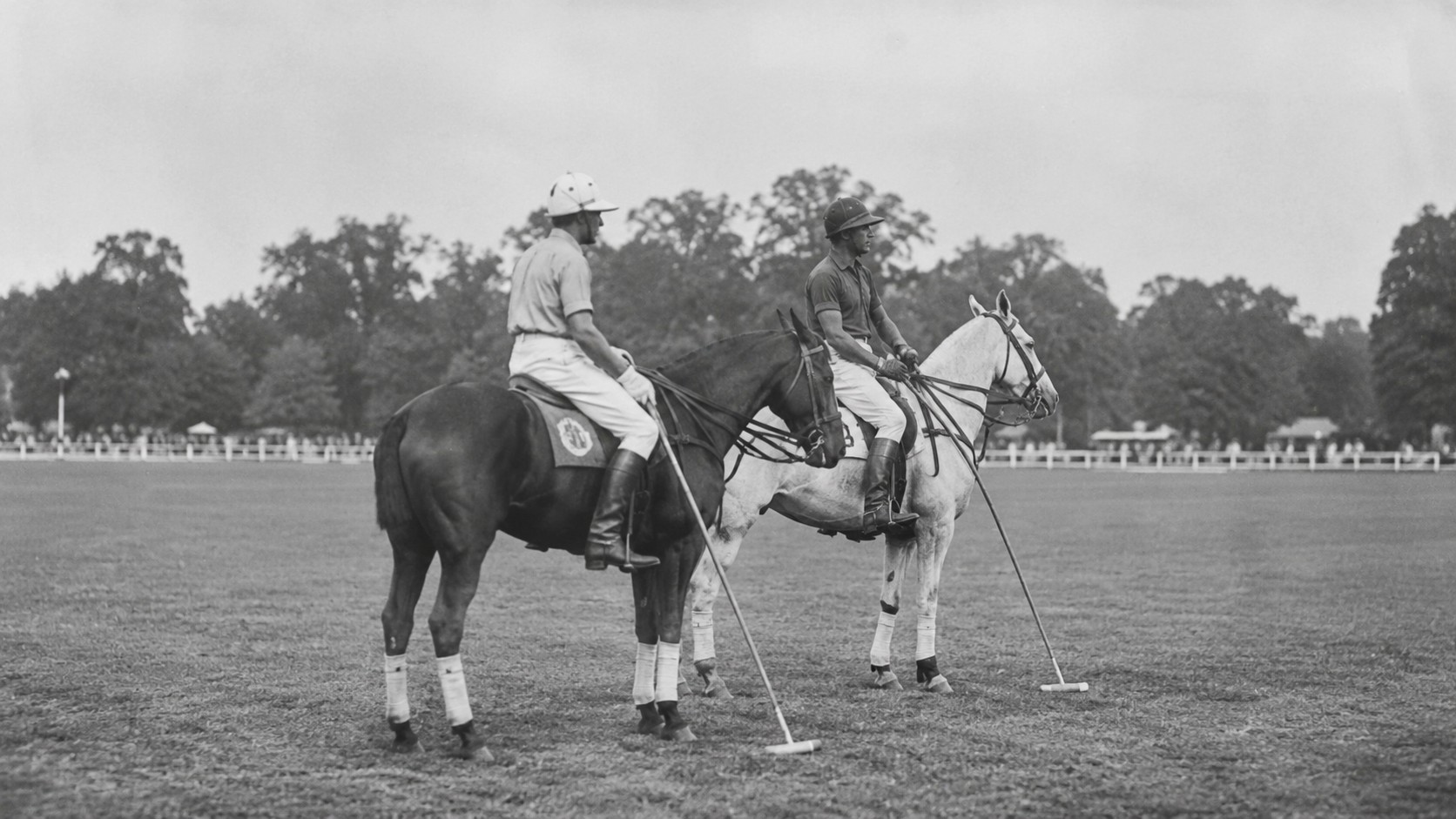
Introduced in 1931, the Jaeger-LeCoultre Reverso was designed to protect a wristwatch during polo matches. What began as a practical solution would eventually become one of the most recognisable watch designs in history.
The story of the Reverso began in India during the early 1930s, where British officers stationed in the country played polo and faced a familiar problem: their wristwatches were vulnerable to the impact of the game.
The idea for a watch with a reversible case emerged from this practical challenge. The concept was to create a wristwatch whose dial could be turned away from the wrist, leaving a solid metal surface exposed to protect the glass from knocks during play.
In 1931, the Reverso was introduced with a mechanism that allowed the case to slide out of its frame and turn over. The solution was both functional and remarkably elegant, addressing the demands of sport without sacrificing the refined appearance expected of a wristwatch.
An ingenious case with a purpose
The Reverso's defining feature was its reversible case. Rather than relying on a conventional protective cover, the watch could slide out of its frame and turn around, placing the dial safely against the wrist.
The mechanism was built into the case itself. The rectangular housing moved along its rails before rotating, allowing the wearer to reverse the watch without removing it. The exposed metal back offered a practical layer of protection during polo.
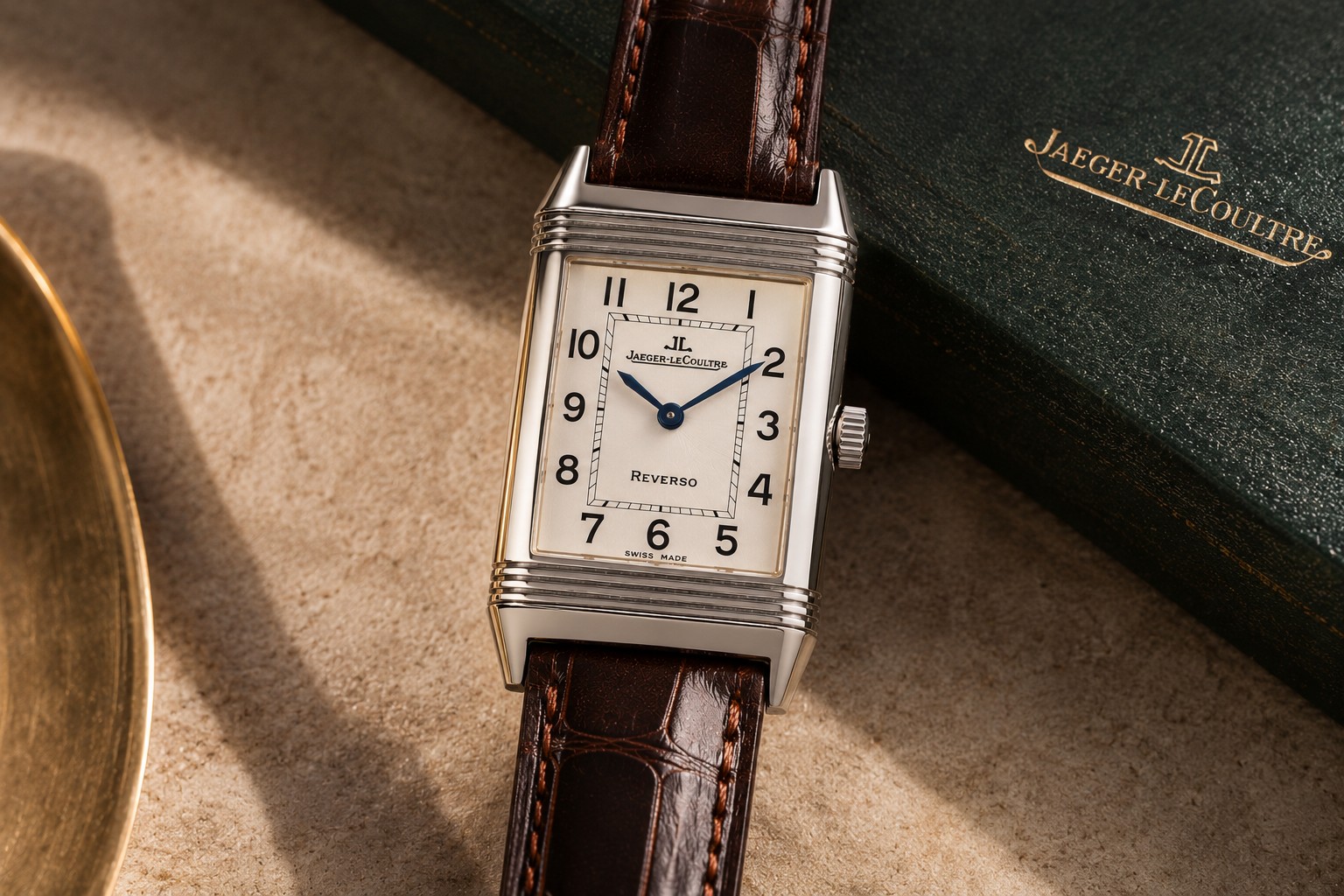
But the mechanism also gave the Reverso an unusual visual identity. Its rectangular proportions, clean lines and horizontal gadroons along the top and bottom of the case reflected the geometric aesthetics of the Art Deco period.
From sporting instrument to design icon
Although the Reverso was originally created with polo players in mind, its appeal was never limited to the sporting world. The distinctive rectangular case and restrained Art Deco styling gave it an elegance that made it equally suited to everyday wear.
The solid reverse of the case also offered something unusual. Owners could have it engraved with initials, personal messages or decorative designs, turning the watch into something more personal than a conventional wristwatch.
Over time, the Reverso became associated less with the polo field and more with its distinctive design. Its proportions, reversible construction and understated appearance allowed it to stand apart in a market increasingly dominated by round watches.
The Reverso evolved beyond its original purpose
The Reverso was not destined to remain solely a watch for polo players. As the decades passed, Jaeger-LeCoultre gradually developed the design into a broader collection, introducing different sizes, materials and variations while retaining the distinctive reversible case.
During the years following its introduction, the Reverso appeared in a variety of forms. Different dial designs, case materials and proportions reflected changing tastes, while the rectangular silhouette and reversible mechanism remained central to its identity.
The watch eventually fell out of favour as tastes shifted towards other styles of wristwatch. Production slowed significantly in the postwar years, and the Reverso became far less prominent in Jaeger-LeCoultre's catalogue. For a period, it appeared that the design might disappear altogether.
Its revival in the 1970s and the subsequent redesign of the case in the 1980s brought the Reverso back into focus. What had once been a specialised sporting watch was now increasingly recognised for its design heritage and mechanical possibilities.
The collection would continue to expand, but the principle remained unchanged. The Reverso could evolve in size, complication and finish without abandoning the mechanism and silhouette that had defined it since 1931.
Why the Reverso's design endured
Few watch designs are built around such a distinctive mechanical idea. The Reverso's reversible case was originally created for a specific purpose, yet it gave the watch a visual identity that would remain relevant long after its sporting origins.
Its rectangular proportions, clean dial and horizontal case details created a design that stood apart from the round watches that dominated the market. The reversible construction was not hidden away as a technical feature. It was the defining element of the entire watch.
That identity also gave Jaeger-LeCoultre room to experiment. The Reverso could accommodate different movements, complications, dial styles and materials without losing the character of the original design.
Nearly a century after its introduction, the Reverso remains recognisable for the same reason it was introduced in 1931. Its defining idea was simple, distinctive and difficult to replace with anything else.
Nearly a century later, the Reverso remains unmistakable
The modern Jaeger-LeCoultre Reverso is considerably more sophisticated than the original watch introduced in 1931. The collection now includes different sizes, materials, movements and complications, extending far beyond the requirements of a polo player.
Yet the defining elements have remained remarkably consistent. The rectangular case, its distinctive proportions and the reversible construction still form the foundation of the design. Even as the collection has become more technically ambitious, the original concept remains visible.
Few watch designs have managed to turn a practical mechanical solution into such a lasting visual identity. The Reverso could have remained a specialised sporting watch. Instead, its unusual construction and Art Deco styling gave it a relevance that extended well beyond its original purpose.
Today, the Reverso remains one of Jaeger-LeCoultre's defining creations. Its original purpose may belong to a different era, but the mechanism that inspired the watch is still central to its identity. Nearly a century later, the Reverso is a rare example of a design that has changed over time without losing sight of where it began.